Will UWB be Apple’s fix for better AirPods music streaming?

Lots of great audio features including a Digital Crown
Here’s a very short slice of speculation to spice up your socially distanced/in isolation New Year’s Eve as some calendars shift from 2021 to 2022. The speculation being that Apple may plan to introduce UWB support in some AirPods. Here is why this is possible.
Apple wants more bandwidth
The Mac news web is amplifying an insightful report from Tom Parsons at What HiFi today.
Parsons got to speak with Apple’s VP Acoustics, Gary Geaves, and Eric Treski from the Product Marketing Team. They discussed the newly introduced AirPods 3, stressing the huge quantity of proprietary technology packed inside these devices. I recommend you read the report, but for me the biggest kick is near the end, and it’s all about Bluetooth.
As you’re probably aware, Bluetooth can’t support hi-res or lossless audio because it lacks the data bandwidth.
“…we have to concentrate very hard on squeezing the most that we can out of the Bluetooth technology, and there’s a number of tricks we can play to maximise or get around some of the limits of Bluetooth,” Geaves told Parsons, adding, “But it’s fair to say that we would like more bandwidth and… I’ll stop right there. We would like more bandwidth.”
That’s set me thinking.
More bandwidth
There are a few alternatives Apple may consider that may support such bandwidth for connected audio devices. Wired connections and alternative wireless standards.
We can forget wired connections. Apple has left the headphone port far behind and seems on a quest to create devices with no open ports at all.
That leaves alternative wireless connections. Some of these I think we can discount. WiFi Direct, for example, has been around for a while and I can’t help but think if Apple sought to use it the standard would already be seeing use.
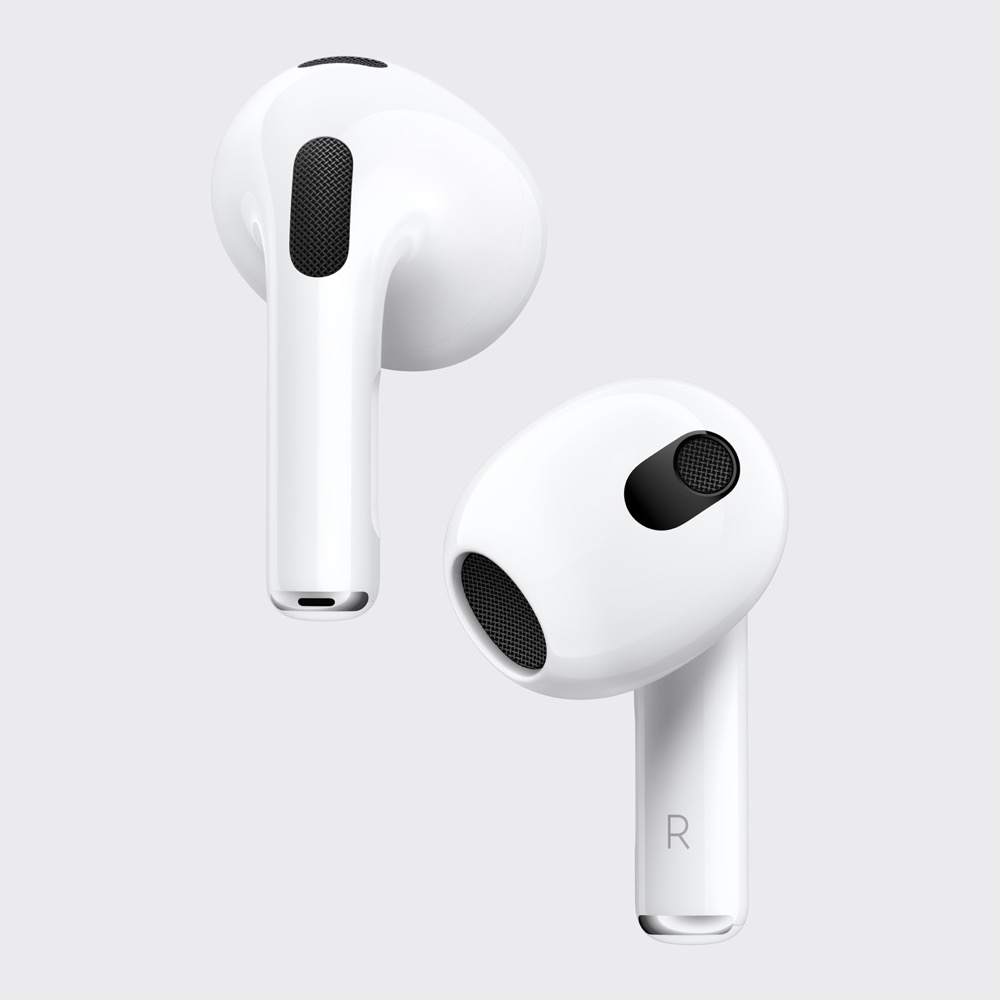
I also think using Wi-Fi-based alternatives would demand far too much battery life. What HiFi suggests Qualcomm’s recently announced aptX Lossless format, but I can’t see Apple wanting to build any additional reliance on Qualcomm. I also think the company may already be optimizing audio with similar technologies, possibly secreted inside H1 chips.
Apple’s proprietary H1 chip is interesting.
This replaced the W1 chip using in earlier AirPods models, but was much better at power management and smart audio optimization tricks. Now in AirPods 3, it helps handle all kinds of accelerometer data to sense force, motion, and speech. It also optimizes the audio streamed using Bluetooth 5. (More on Bluetooth 5 here).

Apple’s WWDC developer microsite has a lovely accessibility touch
What about Bluetooth?
So far, so good.
The Bluetooth SIG (of which Apple is a member) has published the Bluetooth 5.3 standard, which I suppose will be inching its way into devices in 2022. This provides a range of useful features including useful improvements in bandwidth.
Given the long association between Apple and Bluetooth and the wide deployment of the standard, it’s most likely (given the options) that Apple will choose to use the standard to solve its bandwidth problems to deliver higher quality audio.
But Apple has another solution available to it:
What about UWB?
Ultra Wideband (UWB). This first appeared in iPhone 11 and has now been available in three generations of that smartphone. It has a few advantages, not least in terms of bandwidth and spatial awareness.
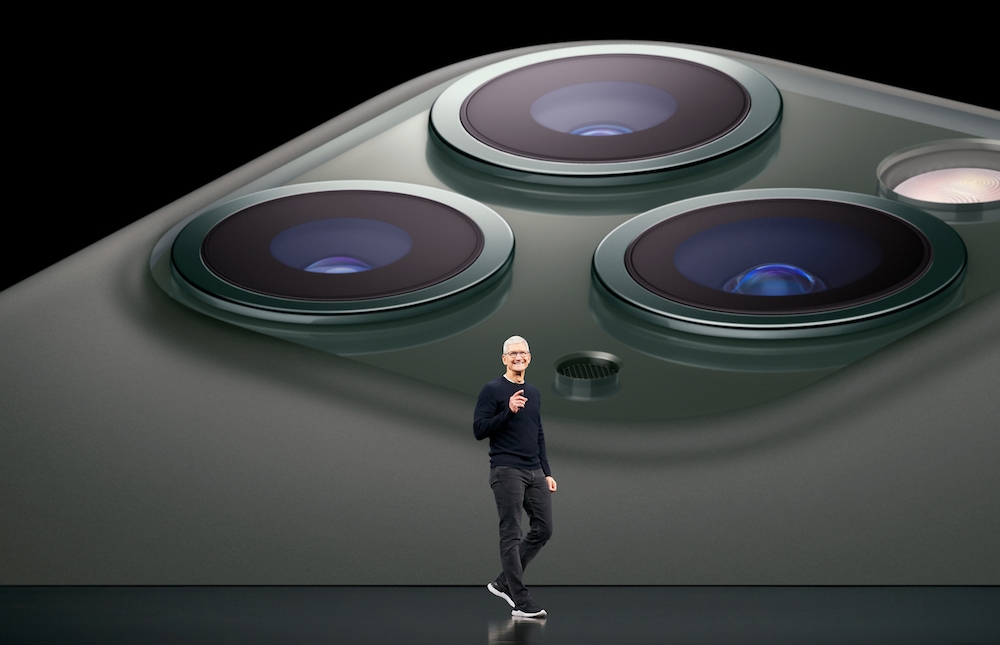
The iPhone 11 introduced UWB to the Apple ecosystem
Apple’s decision to embrace UWB has always seemed a bit of a mystery. AirDrop, HomePod and Apple’s CarKey system all make use of it (more on this here), but I’ve always felt that the decision to use this powerful technology hasn’t manifested that much. At least, not yet.
But what’s changed since iPhone 11 is that Apple now has a market seeded with tens of millions of devices capable of supporting UWB. Which, given that Apple sees iPhones as ‘host’ systems to support accessories such as AirPods and Apple Watch, should also mean the company has created an ecosystem to support any future products or services that might make use of UWB. One of its bigger component suppliers in 2020 acquired one of the world’s larger UWB makers.
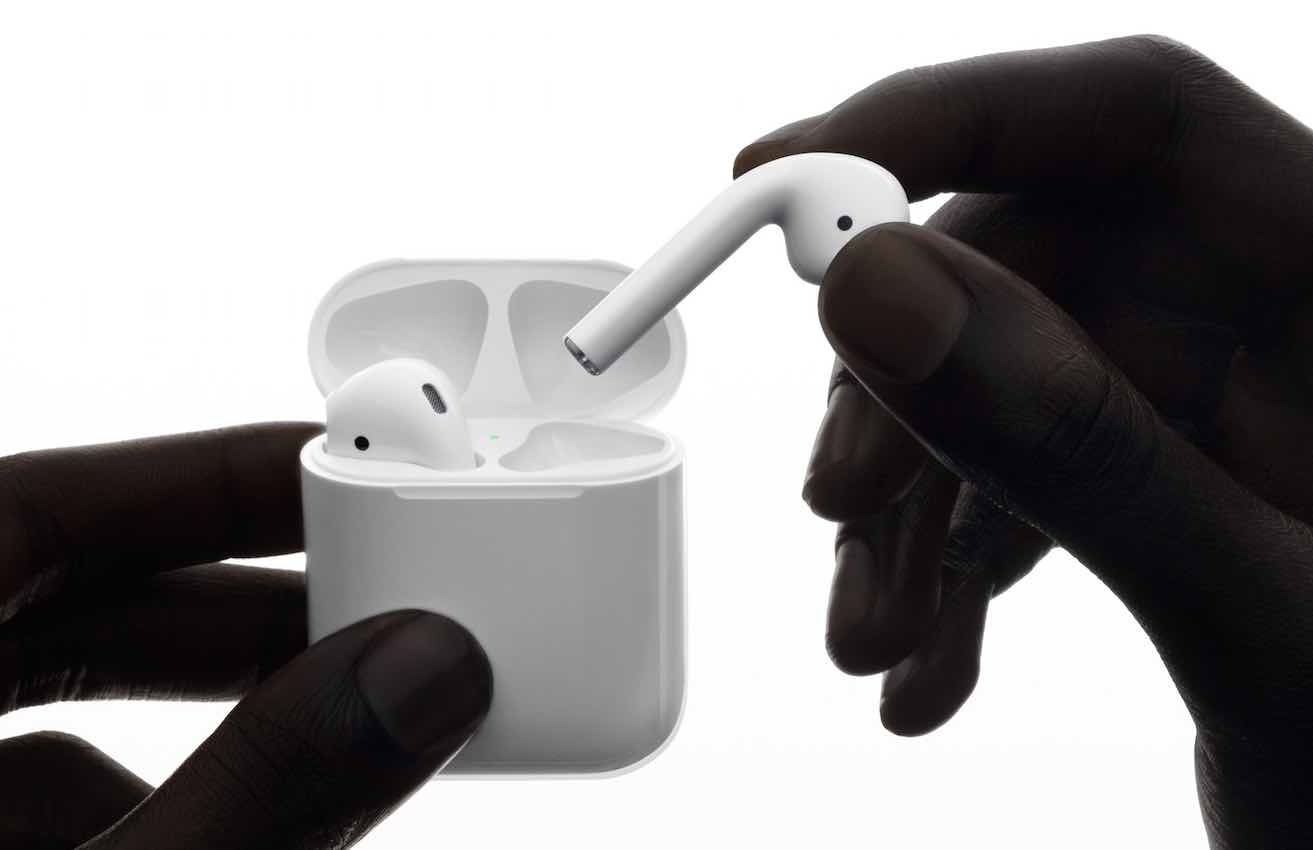
How can AirPods become an essential item?
Definitely maybe
And this is the crux of what I’m saying here – UWB has the capacity to work reliably at short distances and to intelligently support spatial audio etc, at low battery life, and at much higher (c10x) bandwidth than Bluetooth currently provides.
Now Apple has seeded the market with millions of devices, it has an option it could choose to use in some AirPods devices, an option I can easily imagine it introducing in its expensive high-end AirPods Max, even if it chooses to deploy Bluetooth across other products in the range.
I can’t say if it will do this, but if it did so it would be introducing a unique audio experience.
It’s good to have options
It is at least an option. One that may solve the bandwidth problem Apple’s audio and silicon development teams seem to be grappling with – and also one that may support other AirPod patents the company has been filing in recent years.
Despite which, the most likely outcome is probably Bluetooth 5.3.
Please follow me on Twitter, or join me in the AppleHolic’s bar & grill and Apple Discussions groups on MeWe.