Why Apple may introduce new iPhones in spring and fall
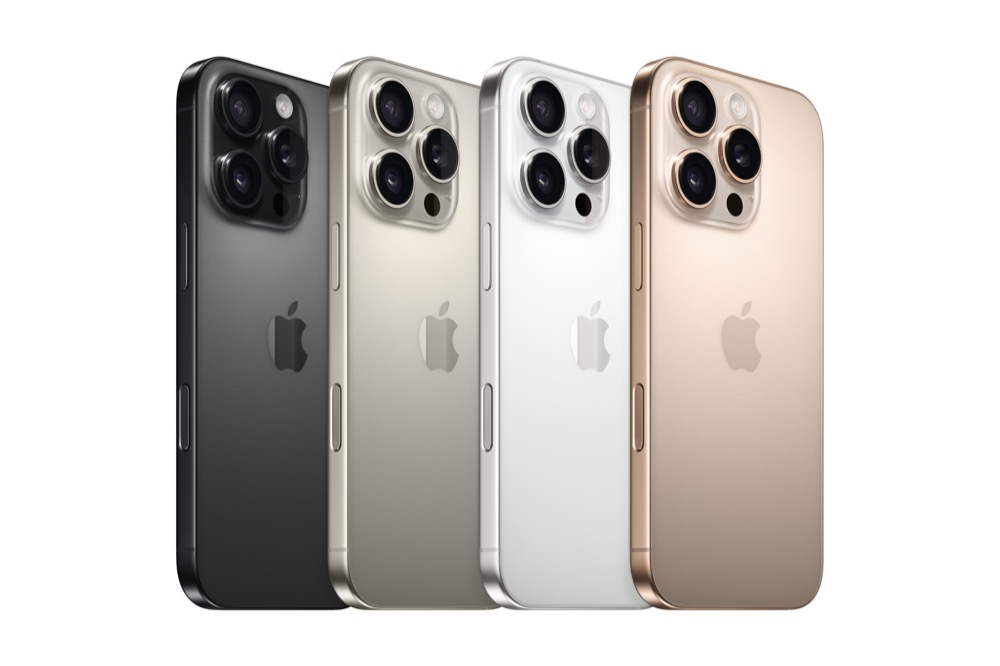
I think this will happen, because it makes sense for it to happen. First, I’ll tell you what is being said, then I’ll explain why I think it makes sense to Apple to act this way.
What is the speculation?
The claim is (and I think I heard it also earlier this year) that Apple wants to split its iPhone launches up, with standard iPhone models shipping in spring, followed by the Pro models in fall. I think this may mean we’ll see the iPhone Air appear at the same time as the standard iPhones, followed by the high end devices in fall.
Here are a few reasons the plan makes sense:
Balancing the books
Apple’s biggest quarters have always been those in which it introduces new iPhones. This has led its stock price and business performance to reflect that cadence, with huge sales booked in the three or so months after new model’s ship. For Apple, it makes sense to try to balance that across the year, as while that may mean a slightly lower peak performance, it may equate to far more stability overall.
Catching the hype
Apple has been highly seasonal in its introductions, but there’s little doubt that the iPhone launches, WWDC, and major Mac launches steal the show. There are four quarters, so it makes sense to have four key release windows. Doing so should maximize media coverage for all of them.
Messaging
Apple’s lucky in that many of its customers are prepared to pay for its higher end devices. It makes sense then for Apple to pour new tech into those high-end iPhones as it knows people will likely go for them. However, but splitting the release schedule up, Apple can sell high end devices twice a year – people will purchase the highest end device introduced at two launches, rather than one. Doing so will also give media the chance to give each product the attention it deserves, which isn’t really the case today – there’s only so much space on the front page, digital or otherwise, which often means the entry level product gets less attention than it should.
Building the machines
Apple invests heavily in production for its devices. That means huge purchases in machinery, tooling, and more. It also means it needs the most workers for specific parts of the year, leading to boom and bust in local economise and across its partners. Splitting the iPhone release up should help partners build more stable (and therefore more experienced) production teams as there will be more work always available for them. It also makes it a little easier to set up facilities for new models in multiple production centers. Overall, it acts ton increase stability across Apple’s production ecosystem.
Celebrating the difference
By introducing the devices at different times Apple will be able to explore different paths for each device. That means Pro devices that become even more Pro, while the spring releases can fully embrace consumer markets. At the moment, both products are slightly compromised by the need to reflect each other. With two more separate identities the products can steadily become a little different.
Recycling and supply
Assuming a relatively steady stream of incoming component from recycled devices, it’s possible that by staggering release and production across the year Apple may be able to lean more heavily into recycled components to make them. This eases pressure across a supply chain already tottering on tariffs.
Watering the bonfire
Apple will also be able to compete more effectively. Other manufacturers now know when Apple will introduce its devices and plan their own releases accordingly, by having both a spring and fall release, Apple parks its iTanks on competing lawns.
Summing up
A move to dual release windows for iPhone gives Apple advantages in terms of steady and more predictable revenue, while also enabling the company to craft uniquely and compelling identities for both products in their own right. It may also ease pressure on an already squealing manufacturing ecosystem, buying space and time in which to tweak production to address new eco-political realities.
You can follow me on social media! Join me on BlueSky, LinkedIn, and Mastodon.