Nickel and Diming: The Future of Car Software
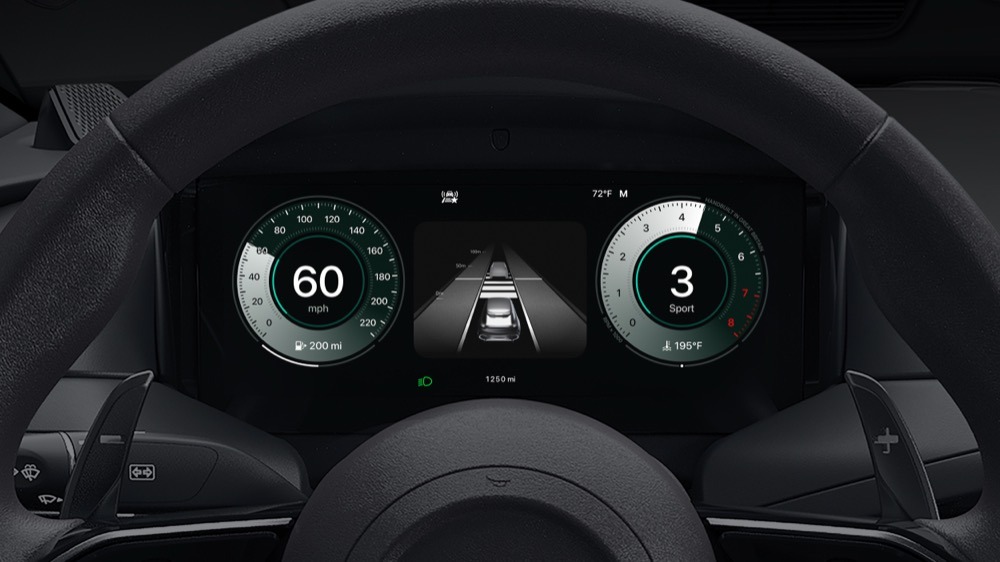
Some automakers are removing CarPlay support from their vehicles. This move isn’t for the benefit of consumers, but rather to serve their own interests. Their aim is to monetise software features, hoping to extract more money from customers even after they spend tens of thousands of dollars on their new car.
The idea is simply to monetize use of software in their vehicles in order to generate a little profit, just like Tesla does by charging customers $100 for connectivity. But is this genuine competition, an abuse of market power, or just pure nickel and diming? That’s for you and the regulators to decide.
Here’s what I think will happen.
- Software will suck: How many companies are fighting for how many software and UX designers? There’s a limited number of both which means those talents will follow the money but also means they will look for the most interesting roles.
- Value must be justified: Given the function of the software automakers plans is to try to up sale customers into parting with even more money, the experiences on offer better justify the ask. Paying extra for the heating in the seat you quite literally just paid for won’t cut it. What’s on offer has to make a difference.
- Doing it better than Apple, Google, et al? Sure, it’s possible, but those companies understand user interfaces better than most. Whatever is introduced needs to be equally good to use – and equally popular.
- Experience counts: It also needs to be at least as good an experience as CarPlay provides, or consumers will resent being unable to use it. That means privacy, security, and a screen free of ads.
- Hardware and updates: Questions remain about the commitment of automakers to high-quality chips, screens, and security. Will software updates be timely, or will obsolescence be built in? Can they even source the necessary components to compete with smartphones? Sadly, for many, the answer is likely “no”.
The consequences
What this all means is that in-car software is unlikely to be good, updates won’t be timely, glitches will occur, and customer loyalty will be deeply tested. Many car owners will feel deeply exploited, forced to pay just to keep driving the car they just spent all their money to obtain.
But it’s not just what happens in the short term. Software will increasingly define the auto experience, and those stuck with poor systems will find they have a poor experience. This will not just dent loyalty, but also public confidence. That’s even assuming some new feature doesn’t end up creating damage or accident.
Ultimately, I think most automakers attempting this strategy will fail and end up having to support other people’s systems. These won’t necessarily be those from Google, Apple or both – but it’s quite possible they could be.
Meanwhile, of course, you can expect to pay more for the features you purchased your car to obtain. Good for them and bad for you.
You can follow me on social media! Join me on BlueSky, LinkedIn, and Mastodon.