US smartphone biz: Apple climbs, Android shrinks
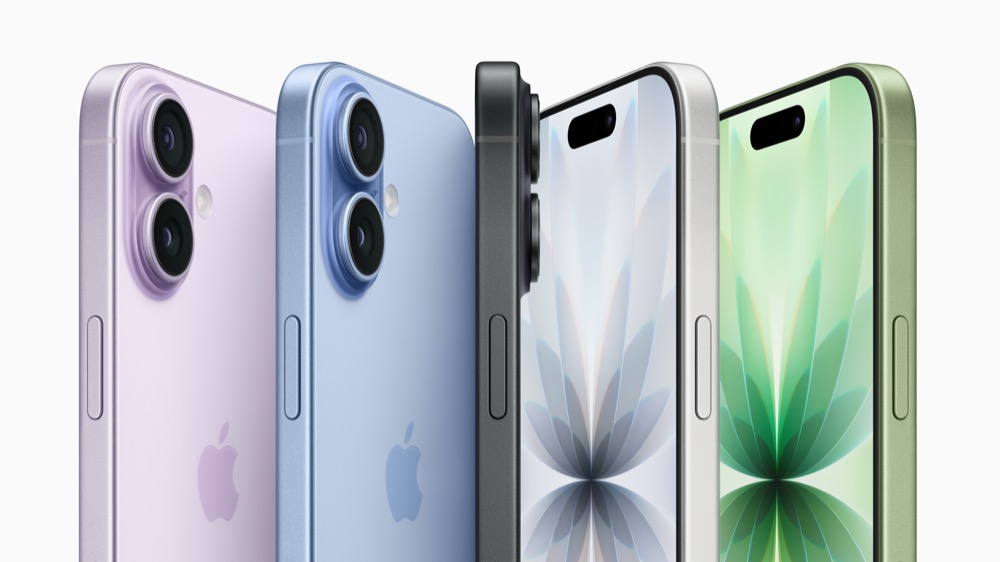
Fresh Counterpoint data confirms that iPhone sales in the US grew 1.3% while the industry declined 5.07% in Q1 26, confirming the success of the iPhone 17 family at the expense of Android.
iPhone up, Android down
Apple’s share of volume grew by 4% YoY, as Android device sales declined 14.4% YoY, the analysts said, noting that the later launch of the all-new Samsung Galaxy S26 series may have helped the company grow.
Counterpoint analyst, Tyler Graham described the premium smartphone space in the US as being “highly consolidated” in contrast to other territories. The thing is, in the US the industry has been more or less captured by Apple, Google, Samsung and,” to some extent,” Motorola.
What this means is that when one of those key players delays an important launch it gives competitors a chance to fill the space left behind, which Apple has achieved, in this prognosis. (The later introduction of the iPhone 17e arguably dented its achievement a little bit, Counterpoint suggests).
What’s better than one big launch event?
Think about this through the lens of Apple’s anticipated move to launch iPhones on a two event cadence in future and it’s plausible to think it will capture additional share as it maintains the initiative through doing so.
Component price increases can and are having an impact on the business. “Consolidation in the low end is expected to continue in the US as rising memory costs impact smaller players,” said Counterpoint, who warned that “Shrinking margins may force a reduction in portfolio diversity in lower price bands.”
Applying the pressure
Apple is responding to this by sticking to its guns, with consistent iPhone 17e prices even as its competitors increase prices. “With this strategy, Apple hopes to draw more users into its iOS ecosystem, while placing service revenue growth over hardware profitability in the US and elsewhere. This will lead to faster revenue growth through 2027,” they said.
But it’s also a challenge to other makers as it becomes very, very difficult for them to keep pace with Apple’s consistent pricing and marketing spend at the US carriers.
They are chasing shrinking margins in a cost-constrained market even while Apple widens the scope of its offering across a wider price range. That’s not a great business to be in.
“Through Q1 2026, Apple outpaced Samsung in Counterpoint’s average Smartphone Promotional Index scores across devices priced $600 and above in US postpaid channels.”
“If Apple can avoid significant price increases and continue to outpace its peers in promotional dollars, it will be tough for Android OEMs to keep up in the year ahead.”
You can follow me on social media! Join me on BlueSky, LinkedIn, and Mastodon.