Apple is being torn apart, what next?
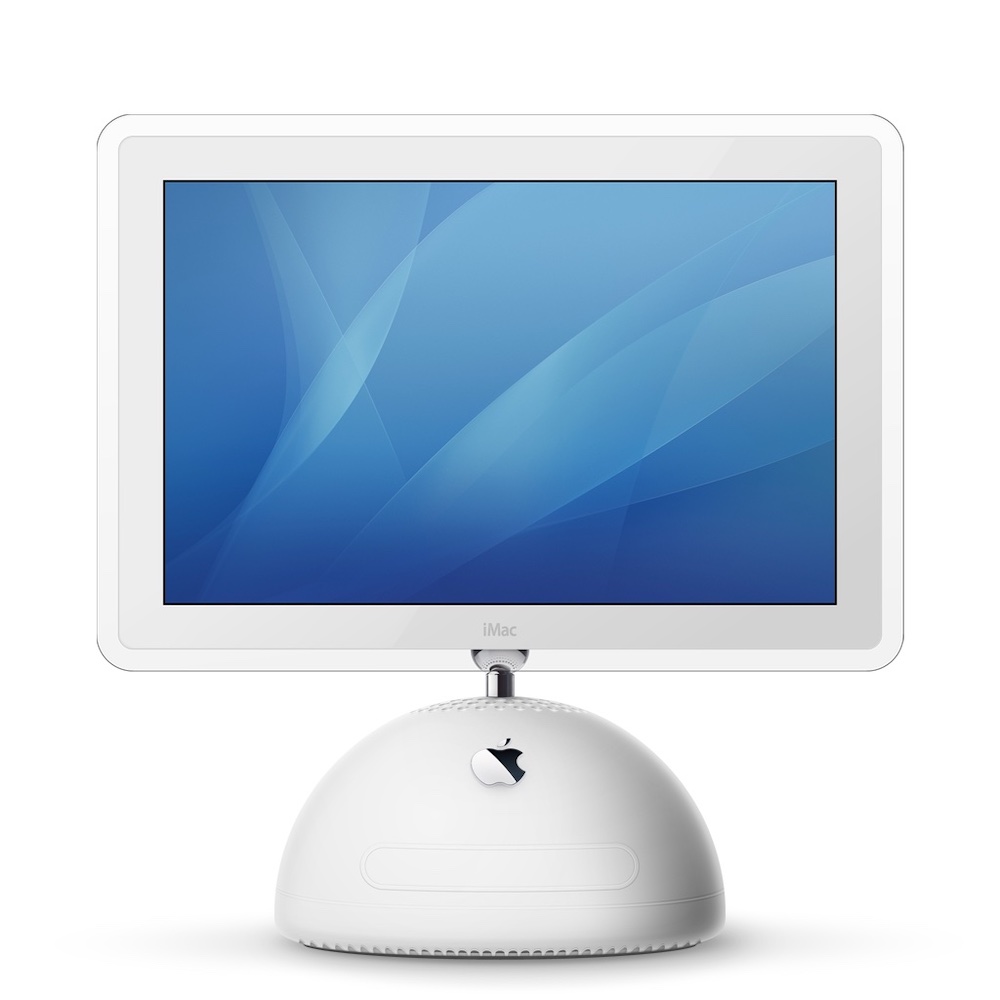
I always loved the design of these Macs
Just like the fundamental notions of liberal democracy, Apple is being torn apart.
From the App Store to Apple Pay to future product innovation, Apple’s current existence is in corporate terms almost as tightly stretched as the rest of us find ourselves when grappling with ever increasing food, energy, and housing costs. While governments of various stripes strenuously seek to ignore the real problems we face in favour of fake problems they invent.
That’s before you even mention how political hostility continues to strain Apple’s mutually beneficial and highly lucrative manufacturing deals in China.
Entities intended to protect us want to break the privacy protections the company has put in place; Amoral (sometimes allied) nation states have nurtured surveillance as a service; and regulators continue to chop chunks from the company business model in favour of evangelical belief in already failing economic models.
‘The age of Apple is over’
The roots of all of this were never so hard to see.
When one of Apple CEO Tim Cook’s fellow American Technology Council members, Peter Thiel, said “The age of Apple is over,” he broke headlines and signalled the rightward shift of the Overton Window.
Think back to 1998 and the iMac, or 2001 and you’ll see both products reflected a different, happier age.
In those pre-pandemic, pre-conflict days most of us believed things would get better, that technology would deliver positive change.
Some things did get better, tech certainly delivered change, but for many the optimism has become masked by disappointment at the dark side of the tech: privacy erosion and the insipid march of privacy brokers and mass market surveillance advertising.
How did technologies intended to make us freer turn many into digital slaves?
At the same time, incoming millennials are more aware of the social challenges than before, seek opportunities to make a positive difference in their communities, and stand for many of the values Apple also identifies itself with.
They think different.
Though anyone paying attention to moves by some former liberal democracies to police dissent can see there’s a lot of encouragement not to do so. But the young think “we”, not “me”.
There is no ‘i’ in team
Steve Jobs’ former ‘go-to’ advertising tsar, Ken Segall, recently said that even the names of Apple’s products – iMac, iPhone, iPad, need to change as the “I” now seems irrelevant.
“The ‘i’ needs to go,” he told Wired.
“It’s now meaningless. Sure, (Jobs) built Apple around it, but remember, the ‘i’ has always been a sub-brand. There might be marketing experts who say Apple would be crazy to drop the prefix – it’s still in front of some of the greatest brands ever – but it can’t be protected, and for too long there have been companies with ‘i’ internet-connected things, and that’s an issue for Apple, known for innovation.”
When Apple introduced the iMac it gave it that front facing ‘I’ to represent four critical forces: Internet, Information, Inspiration, and Individual. Today, internet and information are everywhere, inspiration scarce, and individuals appear to be passé.
It may be time for Apple to reinvent itself to grapple with an altogether less inspiring era.
Because a company so identified with the values most of us care so deeply for is being torn apart by forces possessed of a far more destructive malaise.
Please follow me on Mastodon, or join me in the AppleHolic’s bar & grill and Apple Discussions groups on MeWe.