Apple-sponsored white paper explores future of medical imaging
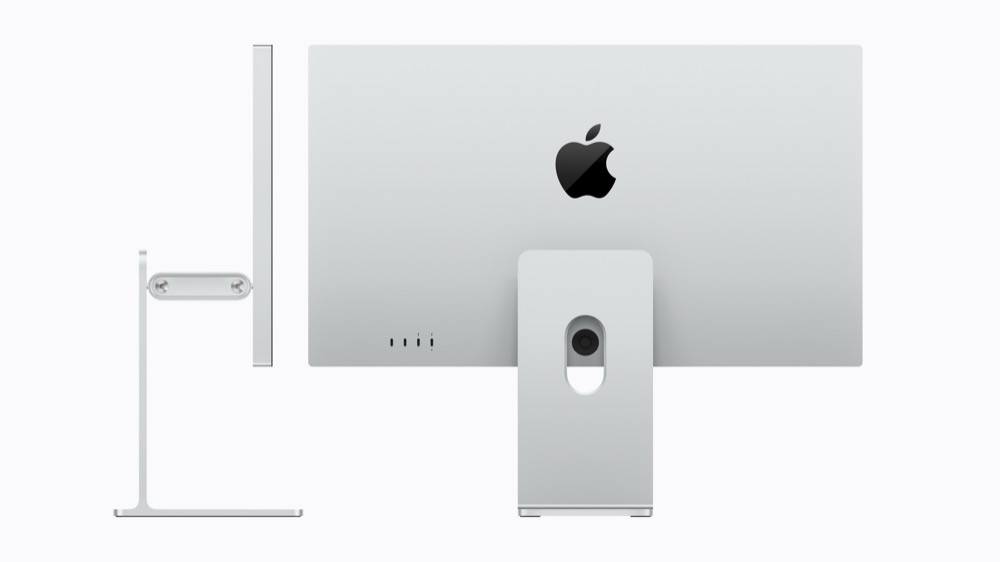
Medical imaging’s next leap is not better scanners, it’s better computing environments, and a new white paper explains how Apple’s newly-introduced Studio Display XDR helps get you there.
Medical Imaging for Macs
Announced alongside Apple’s latest Macs a few weeks ago, Apple also introduced new DICOM medical imaging presets and the Medical Imaging Calibrator to enable use in diagnostic radiology, allowing radiologists to view diagnostic images directly on Studio Display XDR. These features this week achieved FDA clearance.
Apple’s pretty shrewd at what it’s doing here, noting that, “Many medical professionals already use Mac for their office or home setups, and Studio Display XDR offers a versatile alternative to single-purpose medical imaging displays, with seamless display mode switching.”
What the experts say
An Apple-sponsored white paper from Emory University and its Department of Radiology and Imaging Sciences explains many of the advantages of the approach, reframing radiology as a fluid, collaborative, and spatial computing experience rather than being a workstation-bound task.
The paper frames current radiology systems as powerful but constrained, its static, often reliant on fixed workstations, with limited collaboration and more. The white paper posits using Appel’s displays and/or visionOS devices to create a more collaborative workflow around such tech. It opens up opportunities for clinicians to review images anywhere, exploiting the impressive performance of Apple Silicon. This is a classic Apple argument, really, it points out how hardware, software and user experience can work together positively in clinical environments.
Faster and more efficient
The paper also stresses the efficiency improvements unleashed by these technologies, things that really make a difference, including:
- Faster image loading and manipulation
- Reduced reliance on fixed radiology suites
- Easier bedside or point-of-care access
- Integration with communication tools and EHRs.
The result? Decisions get made faster, more collaboratively, leaving more time to focus on the patient. The combination also leads to improved diagnostic confidence and better explanation and care. You can consider the whole thing here.
Please follow me on Twitter, or join me in the AppleHolic’s bar & grill and Apple Discussions groups on MeWe. Also, now on Mastodon.