IDC: Records for iPhones as smartphone biz faces price hikes
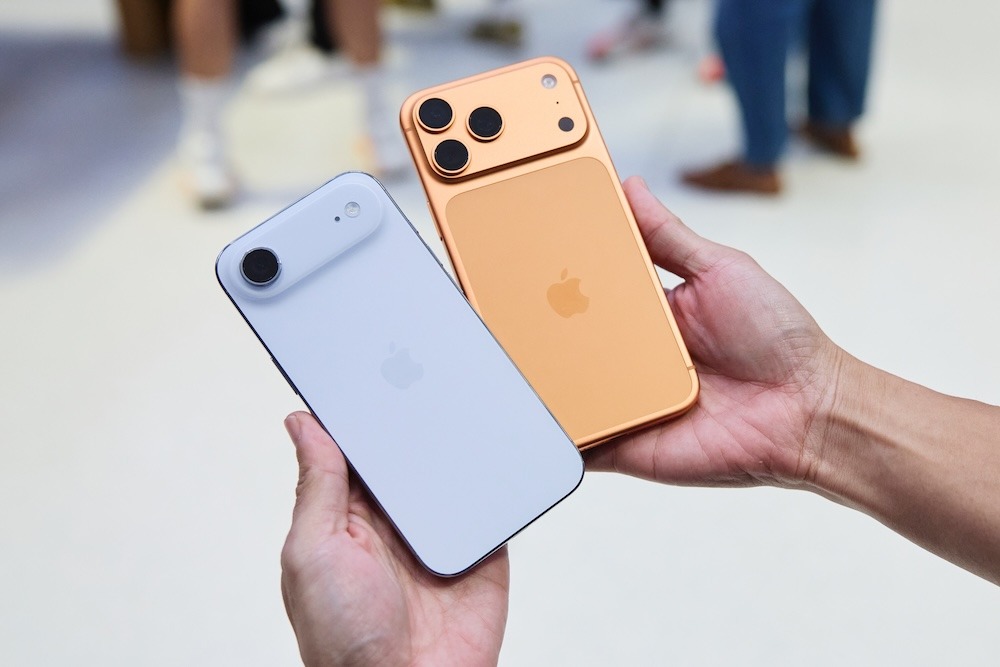
The huge success of the iPhone 17 series has restored growth to the global smartphone market, propelling Apple to regain industry momentum. In the background, rising memory prices will force competitors to raise prices even as Apple remains relatively stable.
These are some of the findings in the latest IDC report, which closely confirms Counterpoint’s recent claims of iPhone market success.
Apple’s record year
“Apple is set to have a record year in 2025 with shipments forecast to cross 247 million units, thanks to the phenomenal success of its latest iPhone 17 series,” said Nabila Popal, senior research director at IDC.
The details illuminate the extent of Apple’s iPhone success. Worldwide smartphone shipments are forecast to grow 1.5% year-on-year (YoY) in 2025 to 1.25 billion units, the analyst said. Most of this growth is driven by accelerated performance from Apple, whose shipments are forecast to grow 6.1% YoY in 2025, up sharply from 3.9% in the last cycle.
“In China, Apple’s largest market, massive demand for iPhone 17 has significantly accelerated Apple’s performance. It ranked first in October and November per IDC’s China Monthly Sales data with more than 20% share, miles ahead of the competition, leading IDC to revise Apple’s Q4 forecast in China from 9% to 17% YoY,” said Popal in a press release.
“This turns a previously projected 1% decline in China for 2025 into a positive 3% growth, that’s a phenomenal turnaround. The success story is replicated across all regions, including the US and Western Europe that had previously slowed down. This calendar year will not only be a record period for Apple in terms of shipments but also in value, which is forecast to exceed $261 billion, with 7.2% YoY growth in 2025.”
Memory, the next disruptor
The next industry disruption will come from memory prices. IDC warns that the ongoing global memory shortage is expected to constrain supply and raise prices. These increases will impact low and mid-range Android devices the most, as these are the brands that are most sensitive to component price increases. IDC predicts software smartphone sales next year as a result, as this will generate increased prices.
“As memory components become more limited and more expensive, manufacturers face increasing pressure to raise prices,” said Anthony Scarsella, research director. “Vendors need to adopt different strategies to protect their market share. While some OEMs will inevitably be forced to raise prices, others will adjust their portfolio towards pricier models with higher margins to absorb some of the memory impact on BOM. Next year will be a challenging time for the industry, however, IDC still believes the market could see record ASPs.”
Apple’s in the cat bird seat
Of course, behind all of this sits one more incontrovertible fact: Apple’s integrated approach and its own development of Apple Silicon and Unified Memory means that all its systems deliver far more bang for the buck for each slice of memory installed inside them.
Apple has always focused on technical superiority to optimize memory handling on its devices, but now, as AI means more and more people want more and more memory in their devices. Apple’s ability to do more for less will become a significant market driver, enabling the company to enjoy far better price elasticity than its competitors.
It’s a no-brainer to think that this means the already highly-prized iPhone range (or Mac or iPad range, come to that) will appear to be ever more attractive as it retains more stable price points as less well featured devices see prices increase.
You can follow me on social media! Join me on BlueSky, LinkedIn, and Mastodon.