Citing consumer choice, UK CMA plans to make Apple worse
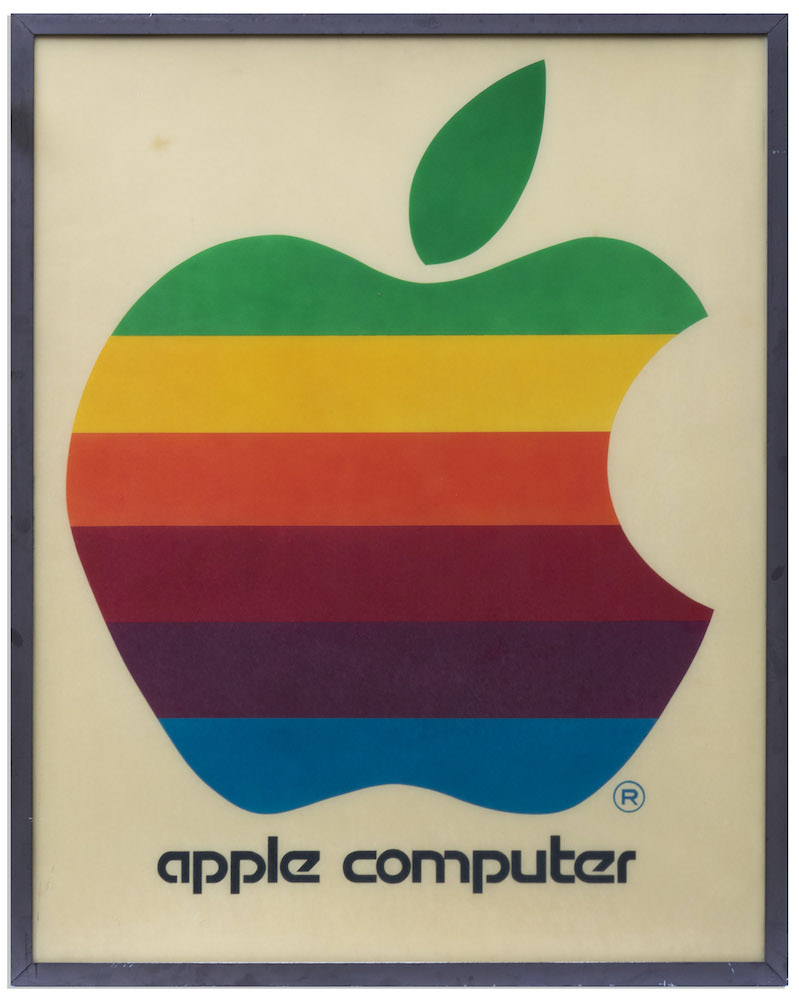
A rare Apple retail sign
With one of my other hats on I have learned that most successful complaints resolutions aren’t marked by one side being jubilant while the other is punished, but by more crafted solutions in which none can claim total victory. That seems to be the kind of outcome UK regulators are stumbling toward with their latest decision on Apple and Google.
CMA comes out swinging
You can sense a positive outcome by the way one party that should be feeling victorious is squealing in protest at the decision – admittedly, Apple isn’t happy either – but than that compromised happiness is what often marks a positive resolution. It suggests the UK may take a slightly more balanced approach to resolving the complaint than we’ve seen from the European Commission.
Though I still think the resolution is likely to damage what consumers expect from the Apple ecosystem.
Apple and Google in the cross hairs
In a press release, the UK Competition and Markets Authority decreed that, as in Europe, both Appe and Google have significant market status making them subject to additional oversight. It argues that because the two firms share almost 100% of mobile device operating systems they effectively form a duopoly, which means their decisions can impact markets, including Apps markets which this seems to focus on.
That focus will likely turn into Apple being required to permit developers to steer users to third party stores, increase operability across some features, and support for competing services. I think, but don’t know, that many of these requirements will mean Apple will be forced to commit to similar steps as it has in Europe.
All going to be great, right?
Not all of those steps are as good as others, and that means Apple remains concerned that people’s security and safety will be impacted by these diktats. Concerns that the UK government doesn’t understand the value of security and privacy in a digital age aren’t terribly surprising given its recent demand that Apple create dangerous backdoors into data encryption.
Chatting with the WSJ, Apple said:
“We’re concerned the rules the U.K. is now considering would undermine the privacy and security protections that our users have come to expect, hamper our ability to innovate, and force us to give away our technology for free to foreign competitors.”
Consumer choice and enshitiffication
All of which is, quite frankly, justified, given demands for interoperability are part of its aims, with the chimera of “consumer choice” being used to enshittify Apple’s product range. Given the alternatives, consumers already took a choice. It is amusing the extent to which concepts of choice are used to remove choice.
Action won’t be immediate. The CMA will “provide updated roadmaps in the first half of 2026, reflecting stakeholder views and relevant international developments,” it said.
The game continues.
You can follow me on social media! Join me on BlueSky, LinkedIn, and Mastodon.