RAM-ageddon continues: Samsung eyes another 20% DRAM hike
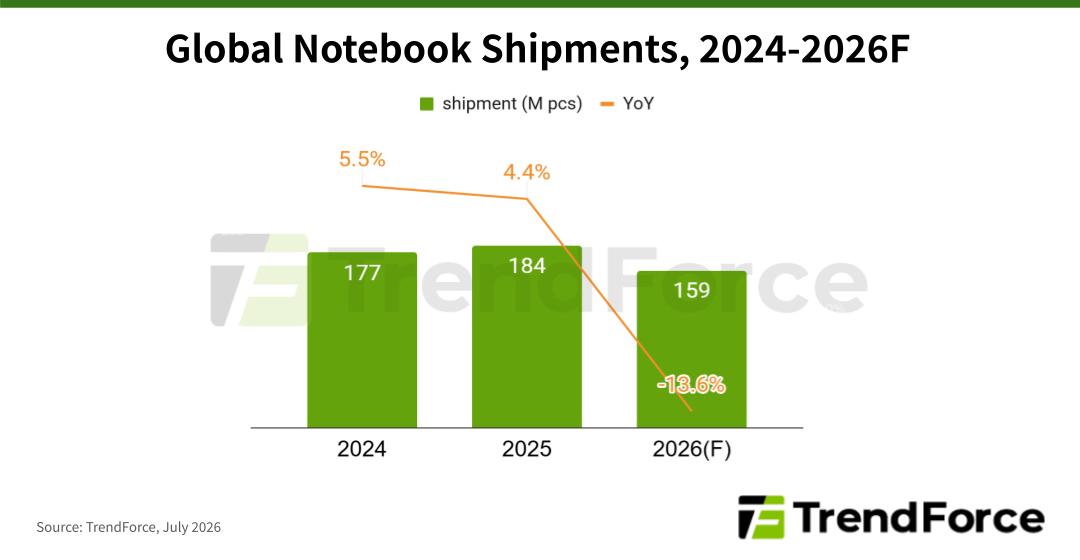
If you’ve been enjoying RAM-ageddon and its best buddy, AI-flation so far, get ready for more as Samsung reportedly plans a 20% DRAM price hike in Q3.
Citing Chinese sources, the Korea Herald shares the news, telling us Samsung has “verbally informed” customers of its intentions.
The source confirmed these higher DRAM prices will eventually lead to price increases for electronic products, which I’d suggest will also be applied to Samsung’s own devices.
The third price increase so far this year
Samsung hasn’t said anything officially, but its latest huge price hike comes as demand for chips for consumer devices remains high, stimulated by scarcity. Memory makers have pivoted to making higher value memory products for the vast global deployment of AI server farms.
This has driven vendor profits sky high while generating mass market inflation across all manner of electronic devices.
TrendForce recently predicted DRAM contract prices would increase 13-18% in Q3, anticipating further supply shortages. This would be the third consecutive quarterly jump, following roughly 90% in Q1 and 50-60% in Q2.
Apple customers have already felt the extreme pain of these increases, with massive price hikes applied across the company’s product range. The company is thought to be speaking with potential alternative memory suppliers in China but requires clearance from the Trump administration in order to get the go ahead to source the valuable component form those additional suppliers.
Please subscribe to the human-curated daily Apple news summary on Substack
Litigation against memory suppliers also seems to have begun, with critics arguing the huge – sometimes 80% – revenue increase ae being bult on the back of market scarcity to the evident detriment of consumers and any digital business.
Those criticisms may have substance.
What happens when VC capital changes markets
Memory manufacturers do have a choice and have clearly chosen to abandon their traditional markets in favor of the new profit centers, and while that’s justifiable in terms of shareholder value the economic and inflationary consequences of those decisions does challenge concepts of corporate social responsibility.
It is also arguable that the root of the problem is itself based on fake market economics, given the vast investment in AI data servers is being propped up by VC funding, rather than reflecting natural movement in the market economy.
As we wait to see if AI firms can ever actually become organically profitable then it’s open to question if they can succeed without the kind of investor-led socialism for the rich that is currently propping them up with questionable benefits to wider society.
This is not free market economics in play, it’s something else.
You can follow me on social media! Join me on BlueSky, LinkedIn, Mastodon and subscribe to The Core.