Has it already been five years since Apple Silicon?
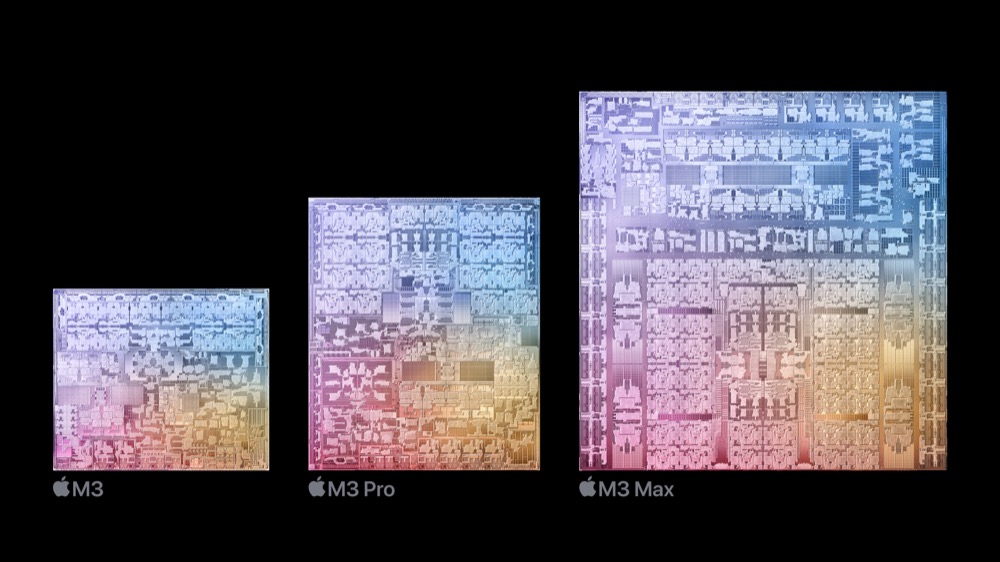
Five years ago, this week Apple announced plans to transition the Mac to Apple Silicon. In November 2020, the first Apple Silicon Macs finally appeared, unleashing performance gains that transformed the platform. The company made the shift because, following a rose-tinted beginning in 2006, it had become frustrated with Intel’s approach to chip design.
The future of the Mac
“With its powerful features and industry-leading performance, Apple silicon will make the Mac stronger and more capable than ever,” said Apple CEO Tim Cook in a statement at that time. “I’ve never been more excited about the future of the Mac,” added Cook.
The first three M1 Macs appeared later that same year, the Mac Mini, MacBook Air, and 13-inch MacBook Pro. They generated a tidal wave of praise as reviewers found out just how much more powerful these systems were in comparison to Intel Macs.
The praise continues to sound today, as the company’s processor development road map continues to unleash significant performance gains in its computers with each iteration of Apple Silicon chip.
Geekbench benchmarks saw the M1 Mac deliver 2,364 in single-core and 8,435 multi-core performance; today’s M4 Macs have achieved 3,760 single-core and 14,704 multi-core performance.
That power alongside built-in on-processor support for machine learning, Apple Silicon means the Mac has entered its renaissance, more people are using Macs than ever, and enterprise customers are rapidly making the transition to these machines.
Unleashing the enterprise opportunity
Energy and performance are the big draw. Apple has been able to take many of the lessons and innovations achieved in mobile processor design for iPhones and transition these ideas to Macs, which now deliver unmatched performance per watt at the price.
It means that since the Apple Silicon transition, Apple now arguably offers the best PCs you can get to run Windows. Alongside the far lower total cost of ownership (TCO) of Macs when compared to PCs and the high-performance achievable at the high-end, the platform has quite clearly returned to an ascendance it last held in the early 80’s.
The move also helped prompt Microsoft to introduce Windows on ARM. (ARM is the core reference design used in the development of Apple Silicon chips).
Apple did create one problem for itself with these Macs – longevity.
A good problem to have?
These Macs are so powerful that even now, nearly five years later, the entry-level Mac mini M1 I happen to be writing this on still performs brilliantly. Unlike Intel machines it doesn’t hang, doesn’t glitch, and I don’t feel I’ve reached the end of what it can achieve yet.
At Apple, that means consumers will replace their M-series Macs at a slower rate, which may impact upgrade sales. But do upgrade sales matter quite so much in the context of a platform people are having consistently good experiences with? I don’t think so, as while it may mean Apple sells few Macs per person than it once did, those people it does sell them too will appreciate the value of the device they use and tell their friends.
That kind of word of mouth pester power has always worked in Apple’s favor, but Apple Silicon just added fresh praise to that story. In other words, replacement cadence means a lot less in the context of increasing market share, particularly as the experience remains sufficiently good to convince consumers to stay with the platform once they do upgrade. That kind of loyalty is hard to achieve.
The future of everything
But the one more thing to Apple Silicon is that because these chips deliver power at low energy they lend themselves to being used inside new hardware designs, giving the company’s design teams the creative space to identify and develop new product families we’ve not seen yet.
From robotics to wearables, Apple Silicon processors lend themselves for use in completely new hardware designs including future foldable devices, robotics, wearables and more. Who knows what the next five years of Apple Silicon may bring?
You can follow me on social media! Join me on BlueSky, LinkedIn, and Mastodon.